engines
Second Hand Engines: Reconditioned vs Used, Cost, and How to Buy One That Lasts
· 6 min read
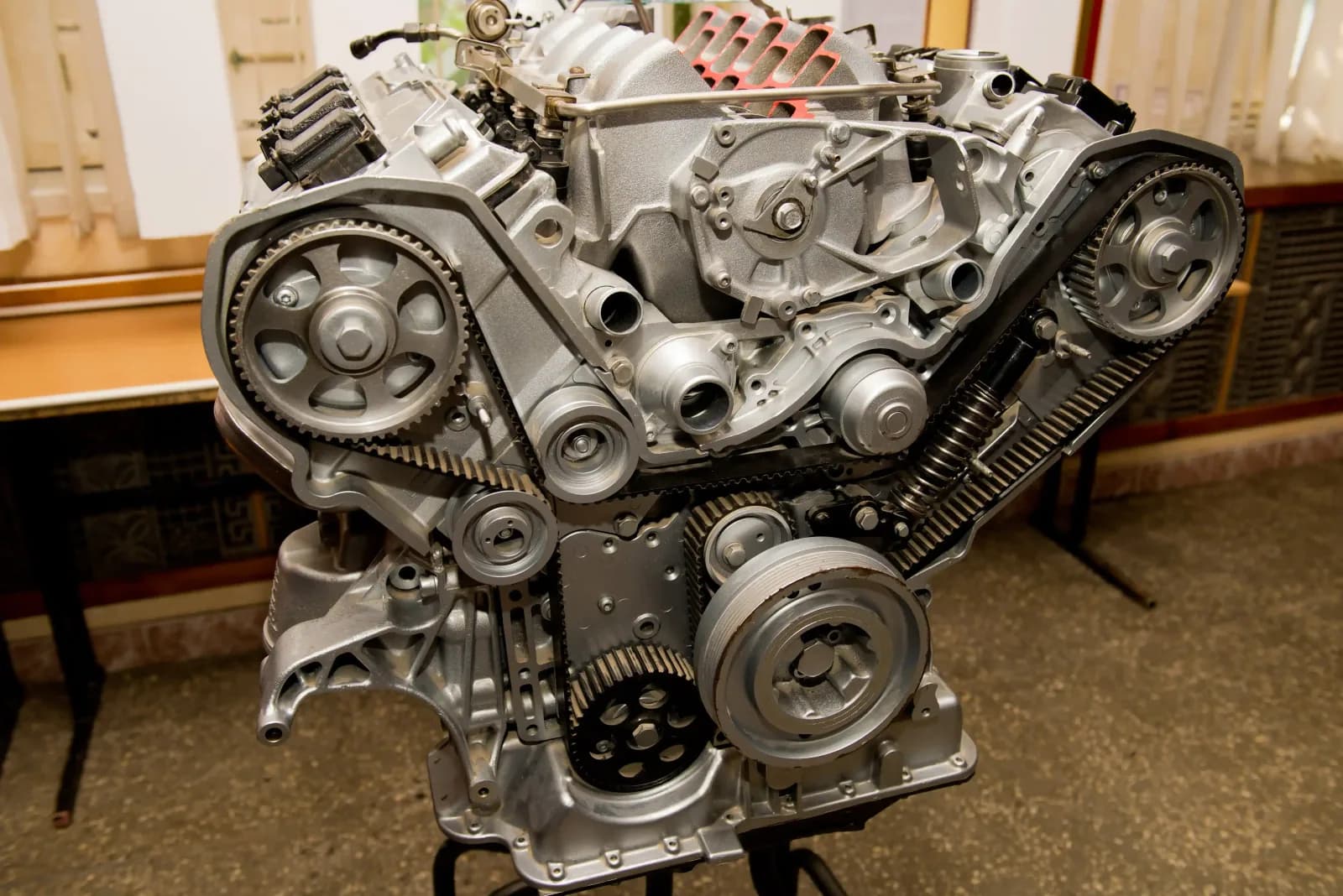
A second hand engine is usually the cheapest realistic way to put a dying car back on the road, typically a fraction of the cost of a reconditioned unit and far below a new one, where a new one exists at all. The decision that matters is not used versus new; it is knowing which engines are worth fitting, which sellers to trust, and what the quote actually includes.
We remove, test and ship engines every week from our yard at Berkeley Vale, so this is the advice we give over the counter, written down. You can see the current stock on our second hand engines page, with the donor vehicle listed against each one.
What is the difference between a used and a reconditioned engine?
- A used (second hand) engine comes out of a donor vehicle, is inspected and tested, and is sold as it ran. Its history is the donor's history: the kilometres it shows are real kilometres from a real car. It is the cheapest option and, from a low-kilometre donor, often the best value on the table.
- A reconditioned engine has been stripped and rebuilt with machined or replaced internals. It costs several times more than a used unit, and its quality is exactly as good as the workshop that rebuilt it, which varies far more than buyers assume. A well-chosen low-kilometre used engine from a verified donor frequently outlives a cheaply reconditioned one.
- A new engine is rarely a sensible comparison. For most cars past their first decade, the price of a new long block, where the manufacturer still supplies one, exceeds the value of the whole car.
The honest rule: if you can find a used engine from a donor with meaningfully fewer kilometres than yours, that is normally the value pick. Reconditioning earns its cost when donors are rare or when the engine type has a known internal weakness that a rebuild specifically fixes.
What does a replacement engine cost in Australia?
The engine itself is only part of the answer, and anyone who quotes a single number without seeing the car is guessing. What genuinely drives the total:
- The engine's rarity. A common four-cylinder has many donors and prices accordingly. A performance or European unit has few, and holds its price.
- The donor's kilometres and history. Lower is dearer, and worth it. This is the number to compare between sellers, not the price alone.
- What comes attached. A bare long block and a complete change-over engine with manifolds, injectors and ancillaries are very different quotes. When you compare two prices, confirm you are comparing the same thing.
- Labour. Removal and refit is a substantial job that varies by car. Get the fitting quote from your mechanic before you buy the engine, not after.
- Freight. An engine is heavy freight. We ship Australia-wide daily and quote delivery live at checkout, but if a seller cannot tell you the freight cost up front, the bargain may not survive it.
Ring us on (02) 4388 1818 with your registration or VIN and we will tell you what is in stock for your exact engine code and what it costs delivered, in one call.
How do you buy a second hand engine without getting burnt?
Five checks do most of the work:
- Match the engine code, not the model. The same car can carry different engines across years and updates. Supply your VIN and let the seller verify interchange; guessing from the model name is how engines come back.
- Ask for the donor's details and kilometres. A professional dismantler names the donor car and its odometer reading. You can even see many of our donors in the vehicle gallery before the parts come off them.
- Check the donor is clean. For a private purchase, a few dollars on the government's Personal Property Securities Register (search for the PPSR) tells you whether the donor vehicle was written off, stolen or still under finance. A licensed yard has already dealt with this; a marketplace stranger has not, and Scamwatch tracks a steady trade in parts and engines that never existed at all.
- Get the warranty in writing. Major components from a professional seller carry one, and the consumer guarantees in Australian Consumer Law sit underneath it whenever you buy from a business. "As is, no returns" on an engine is a warning, not a discount.
- Inspect before you fit. Turn it by hand, check the bores if you can, look for milky oil and crusty coolant passages. We published a full walkthrough on how to inspect a used engine before buying; ten minutes with that list beats a month of regret.
How long will a second hand engine last?
As long as its donor was going to last, less the kilometres already used, and how it is fitted matters as much as how it is chosen. An engine that lived its first life with regular oil changes has most of its service life ahead of it; one that was neglected carries that neglect with it, which is exactly why the donor's story is worth more than a small difference in price.
What a professional seller does before the engine leaves the yard:
- Tests it. Compression across the cylinders, and a run test where the donor still drives in. A yard that tests can tell you results; a seller who "had it running before it came out" is telling you a story.
- Inspects what the engine cannot hide. The state of the oil, the coolant passages and the timing components says more about the donor's life than the odometer does.
- Records the donor against the part. So the warranty means something and the history can be checked later.
And what the fitter should do, because most early failures of a good used engine are fitting problems, not engine problems:
- Replace the timing belt or inspect the chain while the engine is out. It is cheap on the bench and expensive in the car.
- New gaskets, fresh oil and filter, and a proper cooling system flush. The replacement engine should never inherit the old engine's dirty coolant or the leak that killed it.
- An early first service. A short first oil change interval catches anything the change-over disturbed.
Treat it that way and a well-chosen used engine is not a stopgap. It is the same engine the car left the factory with, resuming a life it was already living.
When is replacing the engine the wrong call?
An honest yard talks people out of engines regularly. Think twice when:
- The car is worth less than the fitted job. Add engine, labour and incidentals; if the total clears the car's market value, the car is telling you something. In that case we would rather buy the car for parts than sell you an engine.
- The failure was a symptom, not a cause. An overheated engine that cooked because the cooling system failed will cook its replacement too unless the cause is fixed in the same job.
- The model has a known pattern failure. Some engines fail the same way every time, and fitting an identical used unit inherits the same clock. We keep model-specific guides on the blog, like our breakdown of common HiLux problems and repair costs, and we will tell you straight if the engine you are asking for has a reputation.
The short version
Buy the lowest-kilometre used engine you can verify, from a licensed seller who names the donor, matches the engine code off your VIN, puts the warranty in writing and can ship it to your mechanic's door. Pay for a reconditioned unit only when donors are rare or a rebuild fixes a known weakness. And if the numbers say the car is done, take the money for the car instead; we pay for donors too.
See what engines are in the yard right now, or call (02) 4388 1818 and we will check stock against your VIN while you are on the phone.