Mazda BT-50
Mazda BT-50 Common Problems: A Wrecker's Guide for Australian Owners
· 6 min read
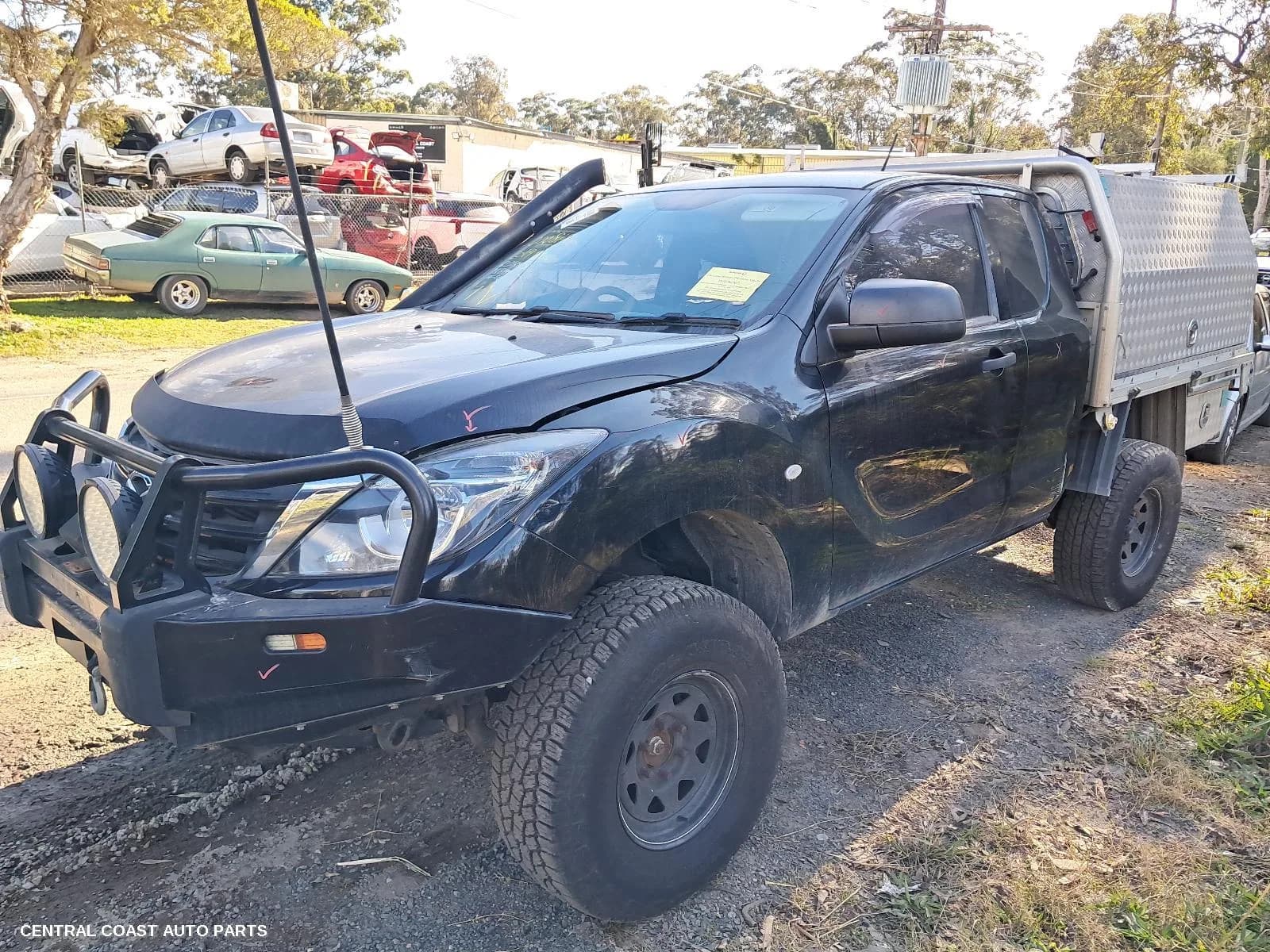
The Mazda BT-50's most reported problems are oil pump failure on the 3.2 litre diesel, a clogged diesel particulate filter (DPF) and EGR system on utes that live in town, cracked intercoolers and split boost hoses, and shudder from the 6-speed automatic on high-kilometre examples. If that list sounds familiar, it should: the 2011 to 2020 BT-50 is mechanically a Ford Ranger underneath, so it shares the Ranger's strengths and its weak spots.
BT-50s come through our Berkeley Vale yard regularly, mostly the 2013 to 2019 models, so this guide is based on what we actually pull out of them as much as what owners report. It covers which years each problem belongs to, the warning signs, and when a quality used part is the sensible fix.
Which Mazda BT-50 years does this guide cover?
The BT-50 has been three quite different utes in Australia, and the problems follow the generation, not the badge:
- UN BT-50, 2006 to 2011. The last of the Courier-era utes, with 2.5 and 3.0 litre four-cylinder diesels. Old and simple now, and mostly a question of how it was looked after.
- UP and UR BT-50, 2011 to 2020. The ones this guide is mainly about. Built alongside the PX Ranger with the same 2.2 litre four-cylinder and 3.2 litre five-cylinder diesels, the same 6-speed manual and automatic gearboxes, and most of the same mechanical parts. The UR from 2015 is the facelift.
- TF BT-50, 2020 on. A completely different ute, built with Isuzu and sharing the D-Max's 3.0 litre four-cylinder diesel. Too new for long-term patterns, and it has nothing mechanical in common with the model before it.
If you are not sure which one you have, your registration papers and the build plate settle it, and we can check parts against your VIN in one phone call on (02) 4388 1818.
What are the common Mazda BT-50 3.2 engine problems?
The 3.2 litre five-cylinder is the engine most BT-50 buyers chose, and it is a strong, torquey diesel when it is serviced properly. The problems owners run into are well documented:
- Oil pump failure. The most serious one. Sludge from stretched oil changes or the wrong oil can starve the pump and block the pickup, and the first sign may be a low oil pressure light or a knock. Never drive on an oil pressure warning; it is the difference between a pump and an engine.
- EGR carbon build-up. The EGR system feeds exhaust back into the intake, and over time it coats the intake with carbon. The ute gets sluggish, smokes more and can drop into limp mode. On higher-kilometre engines the EGR cooler itself can fail, which is worth catching early because coolant where it should not be can damage the engine.
- Turbo trouble. Usually a consequence rather than a cause: a clogged oil feed, a sticking actuator, or simply age on a ute that towed for a living.
Most of this comes back to servicing. An engine that had its oil changed on time lives a long life. When one has gone too far, a tested used engine from a verified donor is usually the cheapest way to keep a good ute on the road, and because the 3.2 is shared with the Ranger, donors are plentiful. See what is in the yard on our second hand engines page, and read how to inspect a used engine before you buy first.
Why does my BT-50 keep going into limp mode?
On a UP or UR BT-50 the usual suspects are, in order:
- A blocked DPF. Utes that only do short runs around town never get the exhaust hot enough to burn the filter clean, so it clogs, the warning light comes on and power drops away. A good highway drive every week or two is free prevention. A filter that is already blocked needs a workshop, not more driving.
- A split boost hose or cracked intercooler. A classic of this platform. You get a sudden loss of power, black smoke and sometimes a whistle or a hiss under load. It is a cheap fix once found, and a used genuine intercooler is a fraction of the new price.
- The EGR system described above.
A scan tool reading the stored fault codes tells you which one it is in minutes, so get that done before anyone starts replacing parts.
Does the BT-50 have gearbox problems?
The BT-50 uses the same 6-speed automatic as the Ranger of the same years, and it is generally tough. What we see on high-kilometre and heavy-towing examples is torque converter shudder, harsh or delayed shifts, and overheating when working hard on a hot day. A fluid service by someone who knows these gearboxes fixes more complaints than people expect.
On the manual, clutches and dual-mass flywheels are wear items on a ute that tows or works, and a heavy, juddering take-up is the usual sign.
When a gearbox is genuinely finished, a tested second hand one from a lower-kilometre donor costs a fraction of a rebuild. Because Ranger and BT-50 gearboxes of the same years are the same family, fitment is easy to confirm. Current stock is on our used gearboxes page.
Is the Mazda BT-50 expensive to repair?
Less than you might think, and the Ranger is the reason. Every PX Ranger sold is also a potential donor for BT-50 mechanical parts, so engines, gearboxes, turbos, intercoolers, alternators and starter motors are easy to find used. Mazda-specific parts are a little scarcer:
- Front panels and lights. The BT-50 has its own bonnet, guards, grille and headlights, so these have to come from a BT-50, not a Ranger. They are also the parts most often replaced after a nudge, which is why we pull them from every BT-50 that comes through.
- Interior and electronics. Clusters, switches, airbag modules and seat belts are cheap used and expensive new.
- Tubs, tailgates and trays. Work utes lead hard lives, and a straight used tailgate is always cheaper than repairing a bent one.
The same buying rules apply as for any used part: a named donor, tested, warrantied and invoiced, from a licensed yard. We covered them in our guide to buying second hand car parts. Parts sold by a business come with the consumer guarantees under Australian Consumer Law, which no private marketplace sale gives you.
Is the Mazda BT-50 the same as a Ford Ranger?
From 2011 to 2020, mechanically yes. The UP and UR BT-50 and the PX Ranger were developed together and share the chassis, engines and gearboxes, so almost everything in our Ford Ranger common problems guide applies to a BT-50 of the same years. The body panels, lights, grille and interior trim are different, so always confirm those against a BT-50.
From 2020 the answer changes completely. The TF BT-50 is an Isuzu D-Max underneath, and no Ranger part fits it.
Should you buy a used Mazda BT-50?
Yes, with eyes open. Buy on service history over kilometres, because oil changes are what protect the 3.2. Budget for the known wear items above at higher mileages. Check any outstanding recalls have been done on the government's vehicle recalls website, or ask a Mazda dealer to check the VIN. And take a diesel for a long test drive that gets it properly hot. A well-kept BT-50 is a genuinely good ute, often a little cheaper than the equivalent Ranger, and when something does wear out, the parts are easy to find.
Need a BT-50 part now? Browse our Mazda wreckers page, search the yard by year, make and model, or call (02) 4388 1818 with your registration and we will check fitment while you are on the phone.