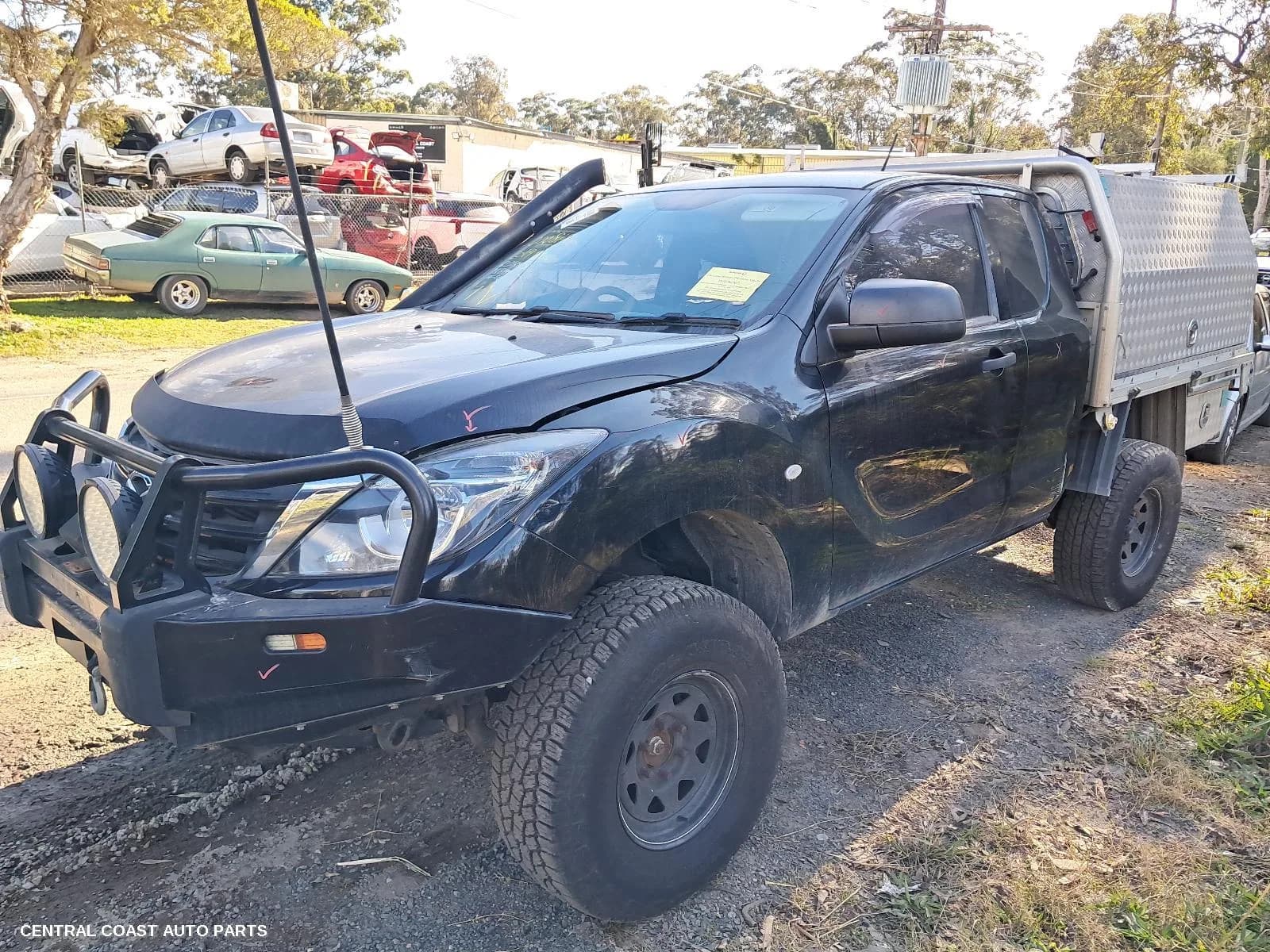
Mitsubishi Triton
Mitsubishi Triton Common Problems: A Wrecker's Guide for Australian Owners
· 6 min read
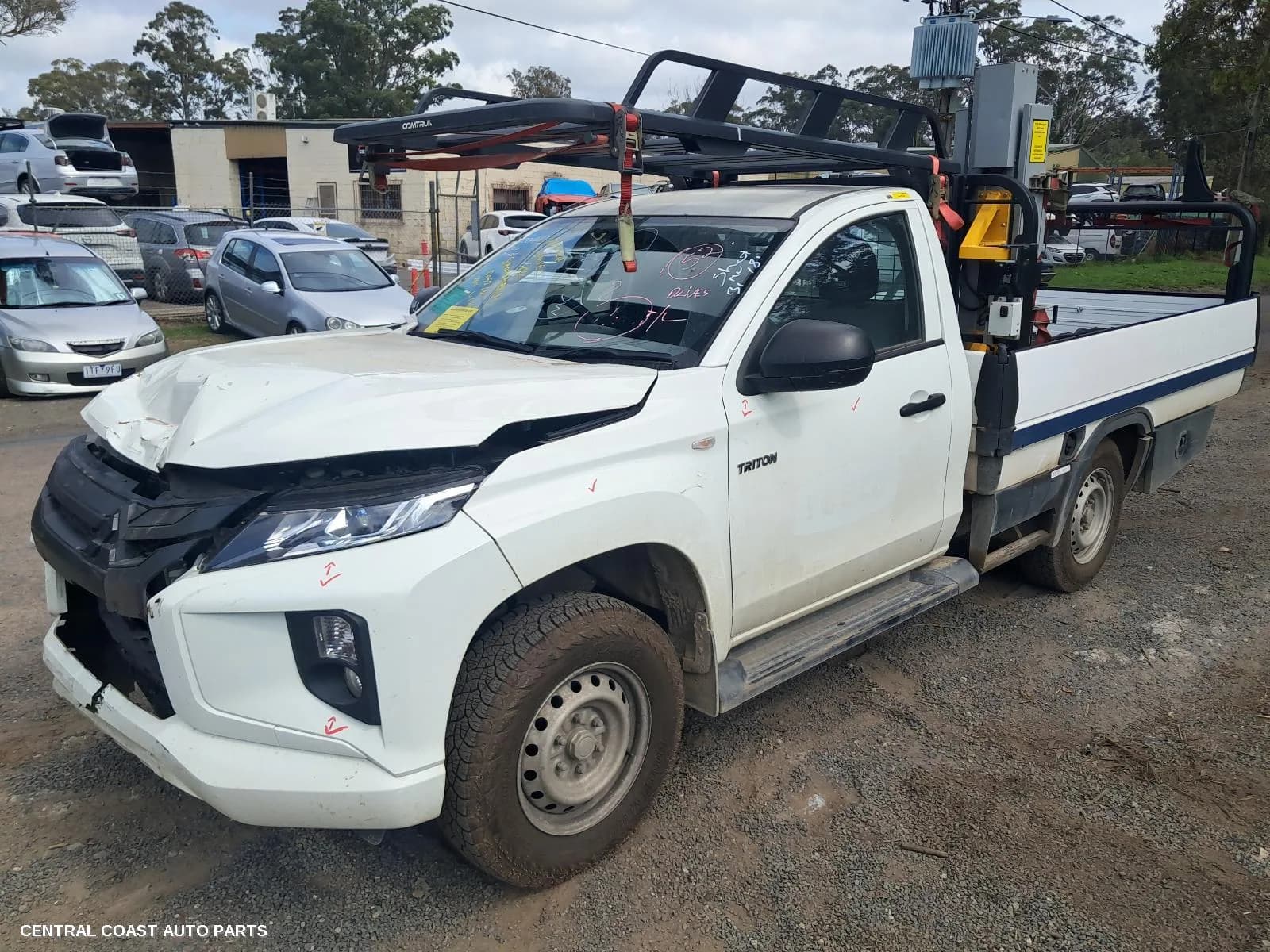
The Mitsubishi Triton's most reported problems depend on its age. Older 2.5 litre diesels (2006 to 2015) are known for timing and balance-shaft belt failures and leaking injectors. The 2.4 litre diesel from 2015 is known for diesel particulate filter (DPF) blockages on utes that only do short trips, and for timing chain wear when oil changes are stretched. Some manual gearboxes from that era are reported to jump out of fifth gear. None of this makes the Triton a bad ute. It is one of the most popular in the country, which is exactly why the patterns are well known and the parts easy to find.
Tritons come through our Berkeley Vale yard all the time, from 2011 MNs through to utes only a year or two old, so this guide is based on what we pull out of them as well as what owners report. It covers which years each problem belongs to, the warning signs, and when a quality used part is the sensible fix.
Which Mitsubishi Triton years does this guide cover?
The Triton's problems follow the generation and the engine, so it pays to know which one you have:
- ML Triton, 2006 to 2009, and MN Triton, 2009 to 2015. The 2.5 litre four-cylinder diesel, known by its engine code 4D56, which uses a rubber timing belt and a separate balance-shaft belt. Early MLs also offered a 3.2 litre diesel.
- MQ Triton, 2015 to 2018, and MR Triton, 2019 to 2024. The 2.4 litre diesel, engine code 4N15, which runs a timing chain instead of a belt and has a diesel particulate filter. The MR is the facelift and brought a 6-speed automatic.
- Current Triton, 2024 on. A new generation with a new 2.4 bi-turbo diesel. Too new for long-term patterns.
If you are not sure which you have, your registration papers and the build plate settle it, and we can check parts against your VIN in one phone call on (02) 4388 1818.
What are the common problems with the Triton 2.5 diesel (4D56)?
This engine is simple and tough, but it has two well-known weak points:
- Timing and balance-shaft belts. The 4D56 has a timing belt that needs replacing at the interval in the service book, commonly every 100,000 km. It also has a smaller balance-shaft belt. If the balance shaft seizes or its belt shreds, the pieces can take the timing belt with them, and a snapped timing belt on this engine can mean serious internal damage. Oil leaks onto the belts shorten their life too. Ask for proof the belts were done on time before you buy one.
- Injectors. Leaking or worn injectors show up as black smoke, knocking, rough idle, poor fuel economy and hard starting. Diesel getting into the oil is a sign to act quickly, not to keep driving.
Overheating is the other one to take seriously. A 4D56 that was run hot can warp its head. If the temperature gauge ever climbs, stop, and read our radiator and coolant guide before you drive it again.
What are the common problems with the Triton 2.4 diesel (4N15)?
The 2.4 in the MQ and MR is a smoother, more modern diesel, and most of its problems come down to how it is driven and serviced:
- DPF blockages. The most common complaint. A Triton that only does short runs around town never gets hot enough to burn the filter clean, so it clogs, the warning light comes on and power drops. A proper highway run every week or two is free prevention. A filter that is already blocked needs a workshop.
- Timing chain wear. A chain should last much longer than a belt, but low or dirty oil wears the chain and its tensioner. Listen for a rattle on a cold start. A worn chain that jumps a tooth can badly damage the engine, so it is worth fixing as soon as you hear it.
- Rough running and poor response. Carbon build-up in the intake and EGR system, a dirty mass airflow sensor, or a tired injector are the usual causes. A scan tool reading the stored fault codes points to the right one quickly.
- Cracked cylinder heads. Less common, but some owners report them, often after the engine has overheated. It is another reason to deal with any cooling problem straight away.
When an engine has gone past sensible repair, a tested used engine from a verified donor is usually the cheapest way to keep a good ute working. See what is in the yard on our second hand engines page, and read how to inspect a used engine before you buy.
Does the Mitsubishi Triton have gearbox problems?
The complaint that comes up most is on MQ-era manuals, which some owners report jumping out of fifth gear, sometimes with grinding in the lower gears. It is put down to wear in the gear selectors, and Mitsubishi has supplied a repair kit with revised parts, so a dealer or gearbox specialist should know it well.
Clutches are the other wear item on manuals, especially on utes that tow or carry heavy loads. The automatics are generally reliable when their fluid is serviced, though high-kilometre examples that worked hard can shift harshly or shudder.
When a gearbox is finished, a tested second hand one from a lower-kilometre donor costs a fraction of a rebuild. Current stock is on our used gearboxes page.
Is the Mitsubishi Triton expensive to repair?
Not usually. There are a lot of Tritons on Australian roads, so donors are plentiful and used parts stay affordable. What we see sold most across the counter:
- Electronics and switches. Engine computers, power window switches, ABS sensors and fuse boxes are all cheap used and expensive new.
- Intercoolers, turbos and cooling parts for the diesels.
- Panels, lights, flares, tubs and tailgates from work damage. A used panel in your colour can also save you a respray.
The rules for buying used are the same as for any part: a named donor, tested, warrantied and invoiced, from a licensed yard. We set them out in our guide to buying second hand car parts. Parts sold by a business come with the consumer guarantees under Australian Consumer Law, which no private marketplace sale gives you.
Should you buy a used Mitsubishi Triton?
Yes, if you buy the right one. On a 2.5 (up to 2015), ask for proof the timing and balance-shaft belts were replaced on time. On a 2.4 (2015 on), look for regular oil changes and ask how it was driven, because a ute that only did short trips is the one with DPF trouble. Check any outstanding recalls have been done on the government's vehicle recalls website, or ask a Mitsubishi dealer to check the VIN. And take it for a long test drive that gets the engine properly hot.
A well-maintained Triton is a genuinely good, honest ute, and when something wears out, you own one of the easiest utes in the country to find parts for.
Need a Triton part now? Browse our Mitsubishi wreckers page, search the yard by year, make and model, or call (02) 4388 1818 with your registration and we will check fitment while you are on the phone.