used car parts
Second Hand Car Parts: What They Cost, What to Check, and When They Beat New
· 6 min read

Second hand car parts typically cost a half to a third of what the same part costs new, and for most components they are literally the same part, made by the same factory, that has simply done some kilometres. The savings are real and so are the traps, so this guide covers which parts are safe to buy used, what to check before you pay, and what a professional seller should be offering you.
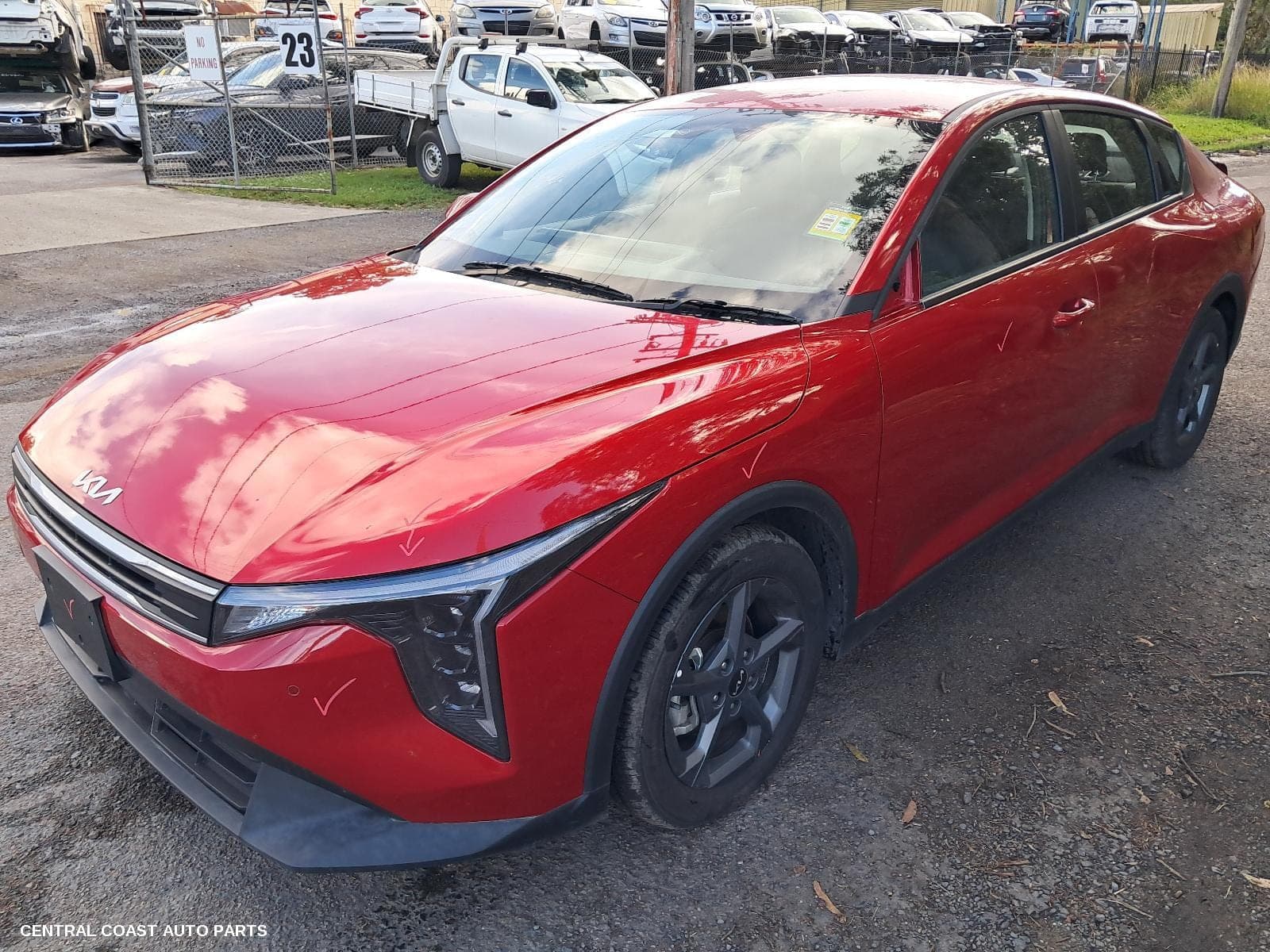
At Central Coast Auto Parts we dismantle cars every week and sell more than 30,000 tested parts from our yard at Berkeley Vale, so everything below comes from doing this daily, not from theory.
Are second hand car parts worth buying?
For most of the car, yes. A door, a tailgate, an alternator or a gearbox does not know how many owners it has had. It either works to specification or it does not, and a part removed from a running vehicle with known kilometres is a known quantity in a way a cheap aftermarket copy is not.
There are three honest reasons buyers choose used parts:
- Price. A genuine part at a fraction of the new price, most of the time without a weeks-long factory order.
- Availability. For older cars, discontinued models and some imports, a wrecker is often the only place the genuine part still exists.
- Match. A used genuine part fits and behaves exactly like the one that came off, which is not always true of aftermarket alternatives.
The catch is that quality varies with the seller, not with the idea. A part pulled from a flood-damaged car by an unlicensed backyard operation and a part tested and warrantied by a licensed dismantler are different products at a similar price.
Which parts are safe to buy second hand?
Some parts age with the car, some do not. The rule of thumb: mechanical and structural parts are usually a good buy used, wear items and safety consumables are not.
Good to buy second hand:
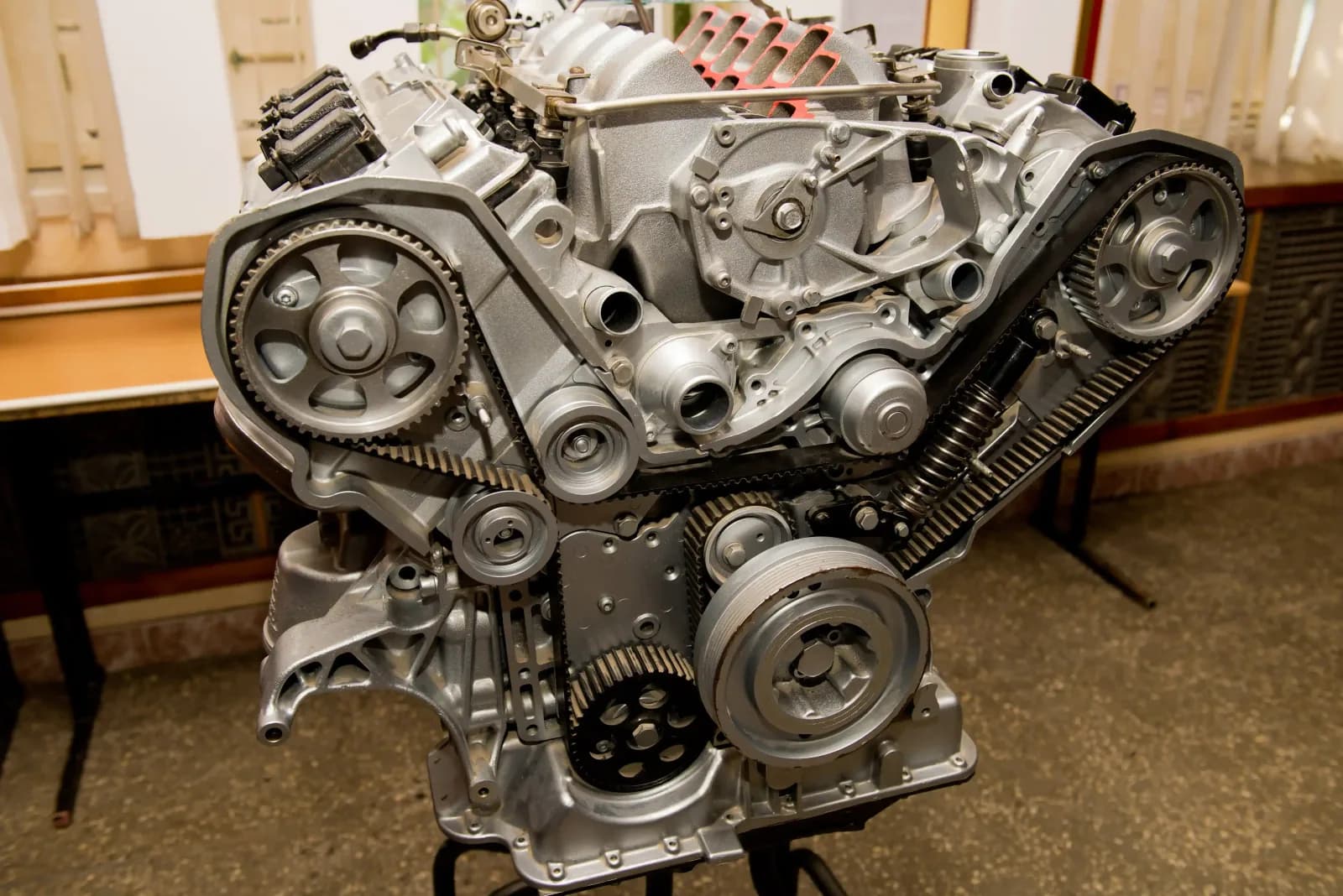
- Engines and gearboxes. The biggest savings on the car. Buy from a seller who states the donor kilometres and backs it with a warranty. We keep a dedicated page of second hand engines with the donor details listed.
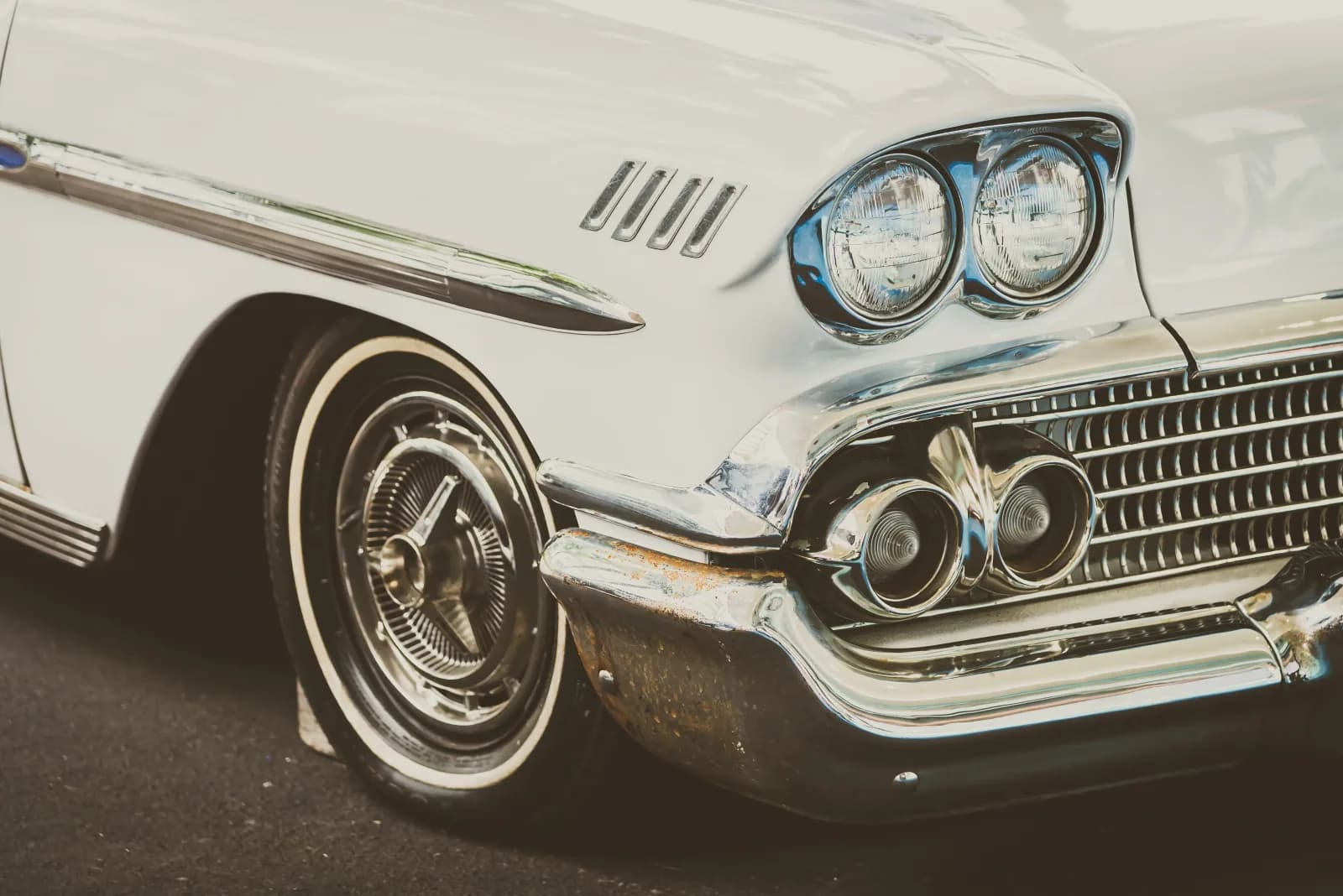
- Body panels, doors, bonnets and tailgates. A genuine panel in the right colour can save a respray on top of the part price. Browse used body panels by make and model.
- Interior parts. Seats, trims, consoles, switchgear. Almost no risk, large savings.
- Electrical components. Alternators, starter motors, window motors, ECUs. Test on arrival, fit, done.
- Wheels, mirrors, lights. Cosmetic condition is the only real question, and photographs answer it.
Buy new instead:
- Brake pads, rotors and anything friction. Wear items are consumed by the previous car. The saving is small and the part arrives part-used.
- Timing belts, filters, spark plugs and service consumables. Same logic. These are cheap new.
- Seatbelts and airbags. Safety items with a history you cannot verify. Most reputable wreckers will not sell deployed airbag components at all.
- Tyres with unknown history. Age and internal damage do not show in a photograph.
What should you check before buying a used part?
Five questions sort the professionals from the gamble. A good seller answers all five without being chased.
- Where did the part come from? A specific donor car with a year, model and engine code, not "off a shelf". If the seller cannot name the donor, walk.
- Is there a warranty, in writing? Reputable dismantlers back major components. Ours is in plain terms on the site, and the ACCC's consumer guarantees apply to used parts sold by a business just as they do to new ones. A seller who says "sold as is, no returns" is telling you what their parts are worth.
- Is the seller licensed? In New South Wales, auto dismantlers hold a motor dealer licence you can ask for. Ours is MD097479. A licence means a real business with an address that will still exist if something goes wrong.
- Are the photos of the actual part? Not a stock image, not "similar to". You are buying one specific item; look at that item.
- Does the part number match? The same model can carry different parts across years and trim levels. A professional seller checks interchange for you when you supply your registration or VIN; a marketplace seller usually cannot.
We wrote a full checklist on how to identify a quality used part, and a companion piece on the five mistakes people make buying parts online, most of which come down to skipping one of the questions above.
How much do second hand car parts cost?
As a working rule across the thousands of parts that leave our yard: used genuine parts generally price at a third to a half of the new genuine price, with bigger savings on large components and smaller ones on high-demand items. A few patterns worth knowing:
- Engines and gearboxes carry the largest dollar savings, which is why they are the parts people travel for.
- Panels in the original colour are worth more than the same panel in the wrong colour, because they save paint work. If colour matters, say so when you enquire.
- Common cars are cheap to fix. A Corolla or Commodore part has plenty of donors. Rare European parts hold their price because the donors are rare too.
- Prices move with supply. A part that is dear this month can halve when the right donor car arrives. If yours is not urgent, ask to be contacted when one comes in.
Be suspicious of prices that are too good. A complete engine for pocket money is how stolen and rebirthed parts move, and Scamwatch tracks a steady trade in parts scams on marketplaces where the part never existed at all. Paying a licensed business by card, with a tax invoice, costs a little more than a stranger's bank transfer and is worth every cent the first time something goes wrong.
Should you buy from a wrecker, a marketplace or overseas?
- A licensed wrecker gives you tested stock, interchange checking, warranty, and someone to ring. This is the boring, correct answer for anything expensive.
- Marketplaces can be fine for cheap cosmetic parts where a $30 mistake does not hurt. For engines, gearboxes and anything electronic, the lack of testing and recourse makes the discount an illusion.
- Overseas sellers add freight, delay, and a warranty that lives in another country. By the time a heavy part crosses the ocean, the saving over local used stock is usually gone.
If you are on the Central Coast or anywhere in Australia, you can search our live inventory by year, make and model; every part is off a real donor car in our yard and is shipped nationwide. And if your old car is the donor, we buy cars for parts and collect across the Central Coast.
What about warranty and returns on used parts?
Under Australian Consumer Law, parts sold by a business must be fit for purpose and match their description, used or not. On top of that baseline, a professional dismantler adds its own warranty on major components so that a rare failure is the seller's problem, not yours. Two practical tips:
- Keep the invoice. It carries the donor details and is your proof for any claim.
- Fit the part promptly. Warranties run from the sale date, and a part that sits in the shed for six months before fitting helps nobody diagnose anything.
The short version
Second hand parts are the same genuine parts at a fraction of the price, provided you buy them the way professionals do: from a licensed seller, off a named donor, photographed, tested, warrantied and invoiced. Skip any one of those and you are not saving money, you are gambling it.
Need a part now? Browse the yard online or call us on (02) 4388 1818 with your registration and we will check fitment for you.